News
90mil Art School Autumn Programme 2026
10 weeks full of courses and workshops just started.
Loading
A new radio series begins this Saturday.
By Staff
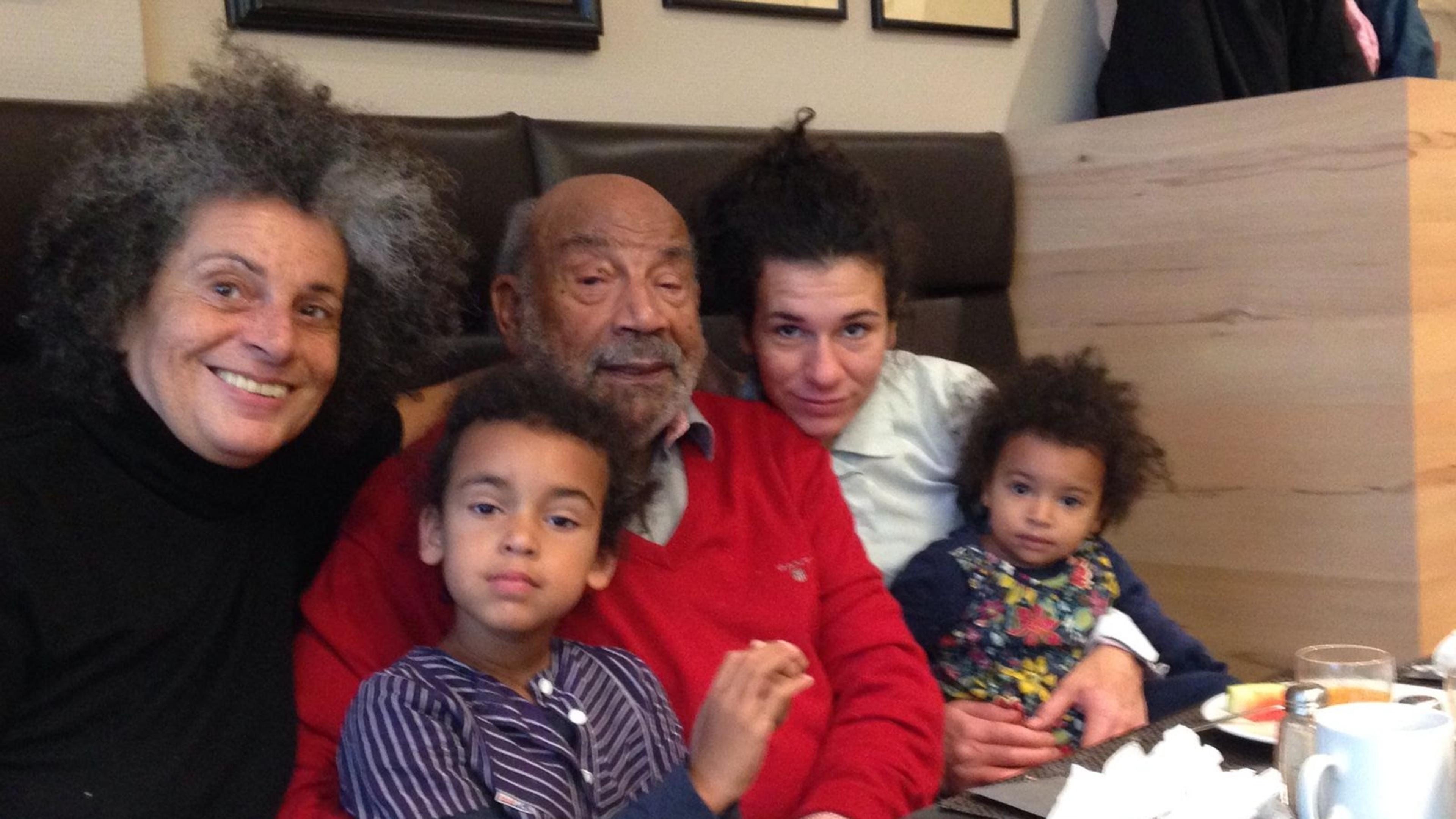
This Saturday, on the 15th of August, we will be kicking off a new radio series called Skandal-Los. The 5-episode special will focus on stories from 6 generations of Afro-German histories, particularly those from the perspective of the women of Theodor Wonja Michael's and Pantring Richter's families. The shows will cover 120 years of German-Cameroonian history, ranging from the colonial and empirical times until today and into the future.
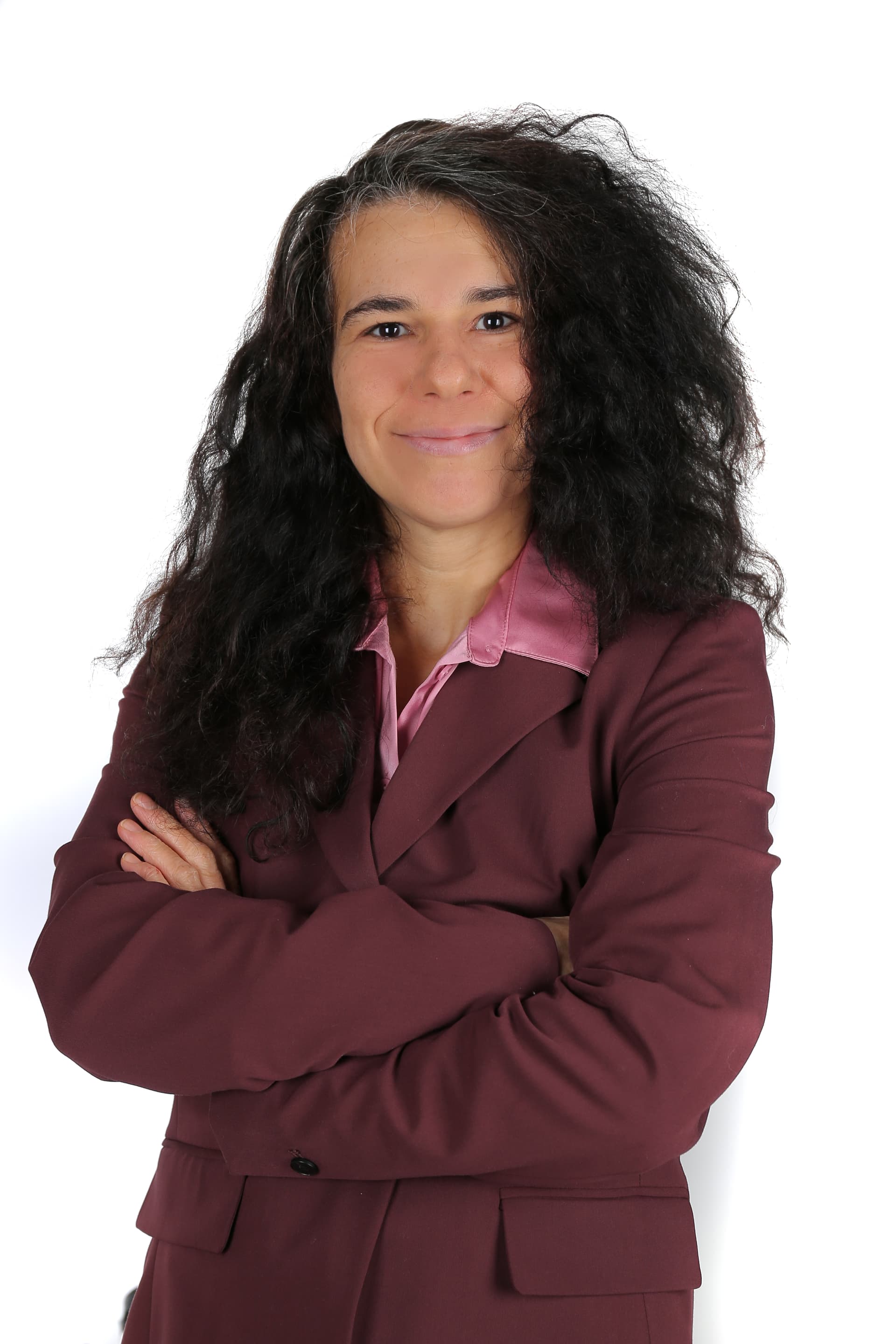
Ahead of the first episode, we spoke to Lorena Richter, granddaughter of Theodor Wonja Michael (the first Black person to receive the Order of Merit from the Federal German Republic), to find out a bit more about the project. Through her work at the intersection of digital systems, critical inquiry, and memory, as well as in life generally, Lorena shares over 120 years of Afro-German family history through readings and workshops, presenting memory as a living, present practice. A fourth-generation Afro-German and a mother, she brings these perspectives together without hierarchy—allowing digital practice, critical analysis, and lived experience to coexist.
What made you decide to develop this radio series?
The radio series will be part of a project that will also produce a booklet, a website, workshops, and public readings in Berlin, Cologne and Bayreuth. I learned about my family history in the mid 90s, when interviews with my grandfather and his siblings were published. Since I was a small child then, I knew I have the responsibility to carry on the storytelling, to show the continuity of the struggle against racism.
What are you hoping people will learn?
The educational aspect will be supported by political reasoning and therefore people will learn about Black history in Germany and why it is important to talk about it. From around 1890–2026 and thinking into the future, there are continuities that show up in every generation of Black people and Afro-Germans. It’s important to learn about the trauma, as well as the resistance.
Can you tell us a little bit about your family history?
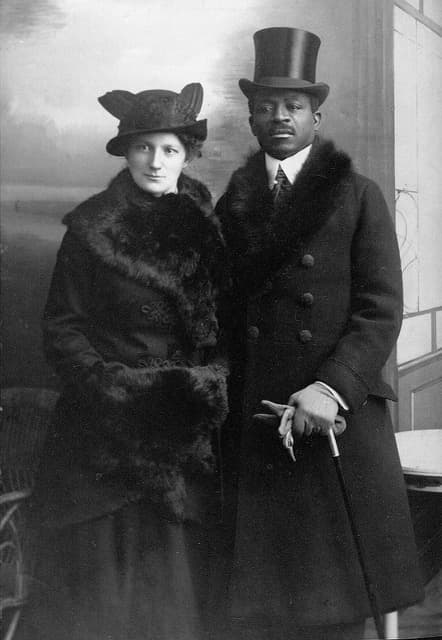
The different generations of my family I will talk about are all individuals who have experienced a lot of hardship in life. Especially the experiences of the Afro-German women in my family are marked by the intersectional discriminations of racism, sexism, and classism. My great-grandfather came to Germany from Cameroon in the early 1900s, and his youngest son was my grandfather, the father of my mum. My grandfather lived 93 years, from 1925-2019. My mum already died at the age of 64 in the year 2022, which is why it’s on me to continue telling the story together with my three Afro-German daughters.
How are Afro-Germans perceived within German society in 2026?
Afro-Germans are not perceived equal to whites or other groups in German society. Black people today face the same struggles as Black people hundreds of years ago. That is why it is important to know the history, the fights, and strategies of our ancestors.
How do the experiences of Afro-Germans differ between Berlin and other parts of the country?
Wow, that question is deeper than it seems. The majority of people in Berlin are not as conservative as in other parts of Germany and therefore it is a bit easier to just be (e.g. walking through the streets with open Afro hair). But the history of Berlin is tightly bound with the political sphere that divided and conquered the world, and that set up the system of imperialism privileging the white man. So, Berlin can be used as a political space to connect with our history and common experience, and this creates a special energy that has been holding me here since I first arrived.
How do you feel when you look at the photo of your grandfather receiving the Order of Merit from the Federal German Republic?
Theodor Wonja Michael – my mother's father – had a very special life story, which reflects on the Weimarer Republik, national socialism, the cold war, and the German reunion, where an Afro-German society found itself back again in the 1980-90ies. For many people that is very special but for me, he was my grandfather above anything else. So I guess I just feel the love a granddaughter has for her grandfather. On that special occasion I knew he did not like to present himself in a wheelchair – which he had to do due to the condition of his health at the time – which also goes to show how long it took Germany to acknowledge his achievements, that he was already so old.
This project is funded by the Bundeszentrale für politische Bildung. Listen to the first radio show in the series at 3PM this Saturday, August 15.
10 weeks full of courses and workshops just started.
Reeperbahn 2026 pop-ups and panel talks.
Parties with Palms Trax, Lakuti, and a full five days of radio from Leipziger Straße.