Blog
Refuge Worldwide launches app and new supporters scheme
Available now on iOS and Android.
Loading
RI-SCATTI 2026: Photographic exhibition curated by migrant and refugee women meets electronic music.
By Muriel Joffroy
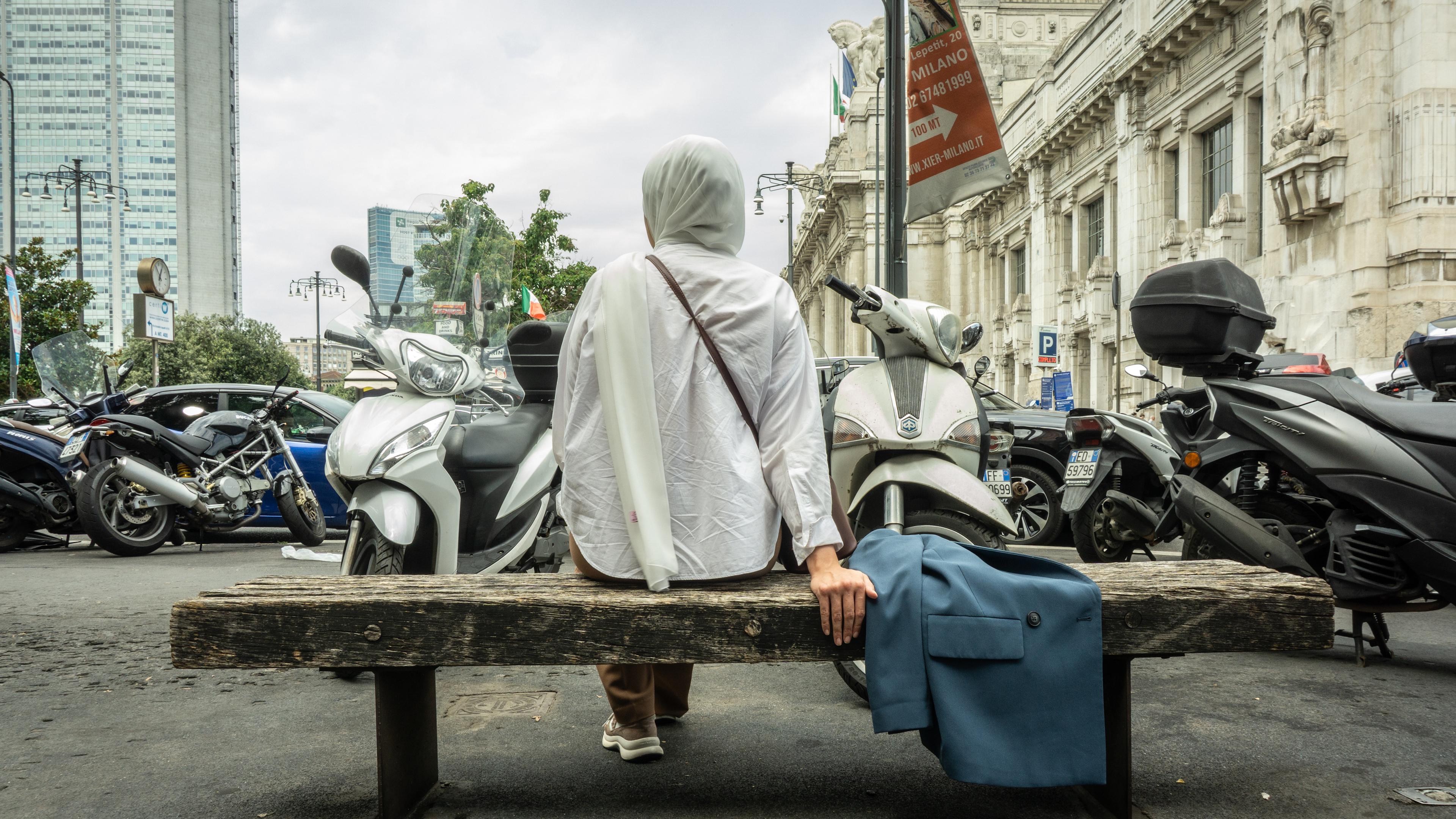
On the 24th October, the 11th edition of RI-SCATTI takes place at Milan’s Padiglione d´Arte Contemporanea, the city's centre for contemporary art. The photographic exhibition weaves personal realities into visual narratives, combining them with a public club night. This year, Refuge Worldwide is on board for the first time, adding to the experience with a musical soundscape.
Founded in Milan in 2011, Le Cannibale is an independent cultural project working across electronic music, club culture and contemporary arts. Its programme connects artists, audiences and spaces across the city, including museums and cultural institutions. Through collaborations such as this one with PAC and RI-SCATTI, it explores how music can bring new audiences into dialogue with social issues and different lived experiences.
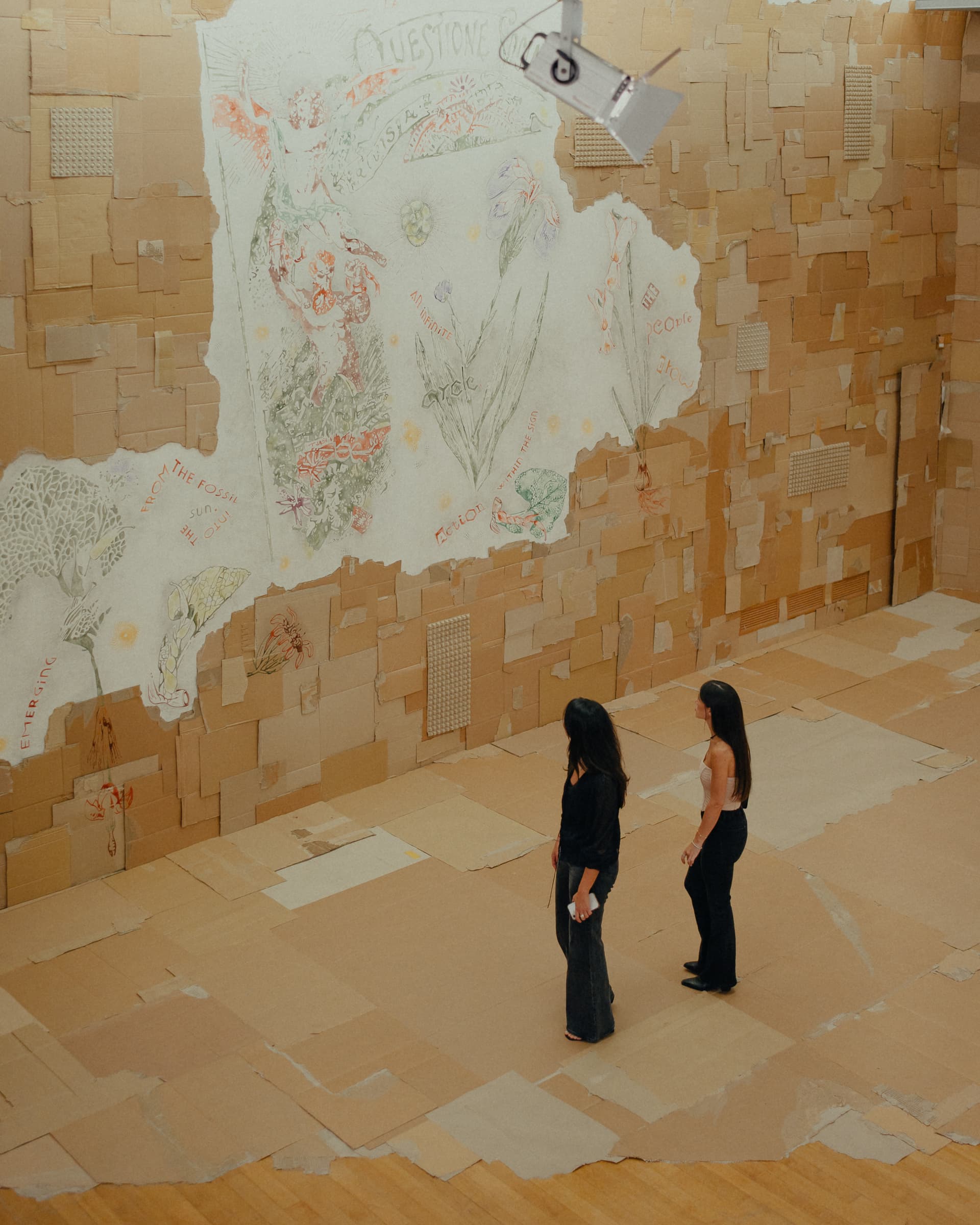
(photo: Vittorio La Fata)
At RI-SCATTI, participants tell their own stories from their own perspectives, creating the possibility for visitors to look through their eyes; to watch, to listen, to feel, and to learn while leaving room for discussions, participation, and rethinking relationships.
This year’s edition turns its focus to women seeking asylum. While public discourses are long-standing and nearly completely framed from the outside, here they speak for themselves, creating and curating within a space traditionally shaped by power.
The photographic exhibition then flows into a party, where Refuge Worldwide presents Fatima Koanda and LIL JA, whose sets will later be available as radio broadcasts. Read a Q&A with Marco Greco and Albert Hofer from Le Cannibale below and get tickets for the event here.
Can you please introduce yourselves and your project Le Cannibale? Le Cannibale is an independent cultural project founded in Milan in 2011 by Marco Greco and Albert Hofer. We started with electronic music and club culture and have since grown into a company producing cultural and music events, with a particular focus on contemporary artistic expression. Our programme spans club nights, concerts, performances, festivals and exhibitions. We are interested in how a place shapes the experience of music, and how music can transform our relationship with that place. Curating means considering the artist, the context, and the people who will meet there. Over time, those encounters build trust and encourage people to explore something unfamiliar. How has organizing a project like this changed over the course of time? Are there any aspects that need to be done differently than when you started? We started fifteen years ago. Since then, the ways people discover music and events have changed, as have the generations attending them. Access to information has expanded enormously, but the speed at which it circulates can leave less room for deeper engagement. Artists and events are increasingly judged by their existing visibility. For an organiser, the temptation is to follow that attention; the responsibility is to keep creating space for discovery. There is also more discussion around representation, accessibility, safety and working conditions. That is necessary, and it requires us to translate our values into concrete decisions about budgets, programming and the audience experience. Maintaining an independent direction means addressing these responsibilities while keeping the project economically sustainable.
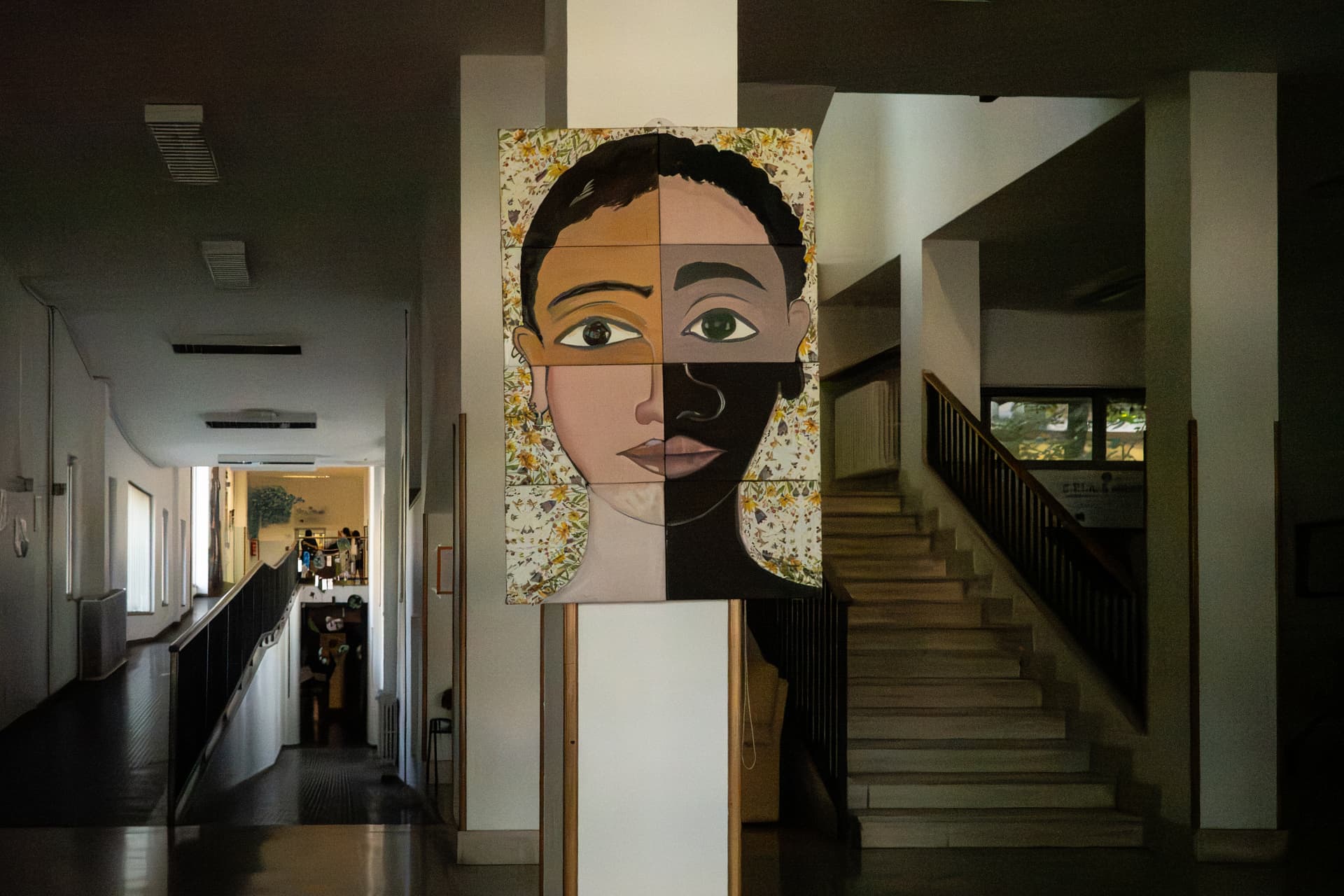
(photo: Moran)
Has the response from the public changed along the way as well? Yes, particularly in how people discover an event and decide to attend. Recognition can carry a lot of weight, while attention is increasingly fragmented. Knowing an artist online does not necessarily mean having spent time with their work. We want to stimulate curiosity and create situations where people feel comfortable enough to stay, listen and be surprised. Programming should also generate interest in things audiences have not yet encountered. That takes continuity. A community grows when people return, recognise one another and trust your choices beyond the names they already know. It is especially demanding when you are not a fixed venue: we produce more than sixty events a year, often very different from one another. The connection has to come through our approach and the quality of the experience, rather than a familiar address. Please tell us more about the idea for the project with Le Cannibale, RI-SCATTI and Refuge in October. On 24 October, we are happy to welcome Refuge Worldwide to Milan, with Fatima Koanda and LIL JA at PAC, alongside RI-SCATTI. What drew us to this collaboration is the connection between Refuge’s musical exploration and the space it creates for different voices. That approach resonates with an exhibition in which migrant and refugee women use photography to tell their own stories. We want people to experience the museum after dark, dance, spend time with the photographs, and move between different ways of engaging. The encounter should be meaningful without dictating how anyone ought to feel. Both the music and the images need room to speak for themselves.
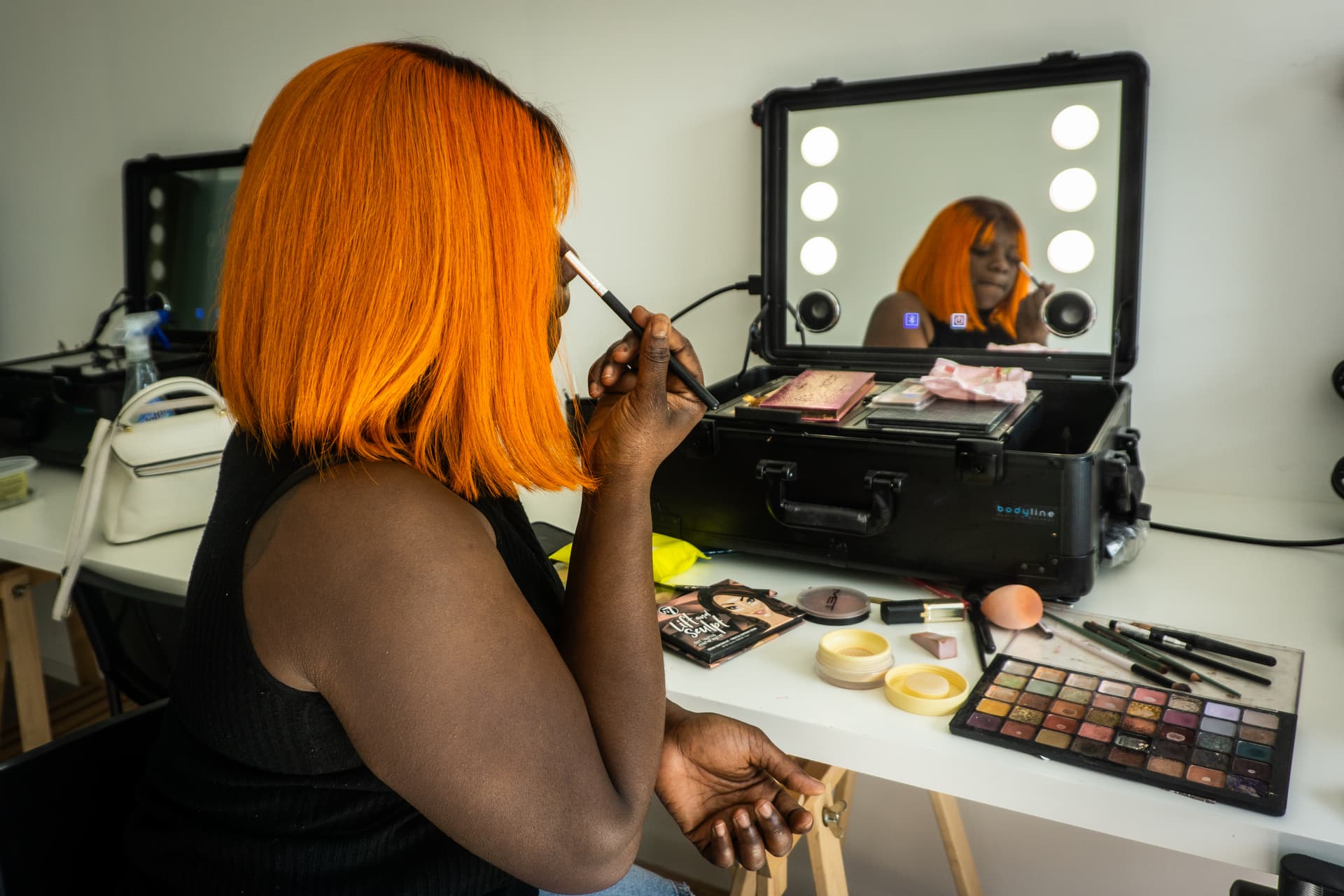
(photo: Cynthia Oruama) Why do spaces like RI-SCATTI matter so much in Milan, and why is it so important to keep supporting them? RI-SCATTI is a photographic project, and its presence at PAC gives these perspectives a place within the city’s cultural institutions. This matters in Milan, where public visibility is uneven, and the city’s image does not always reflect the complexity of the lives within it. People experiencing migration are frequently spoken about. Here, they decide how to represent their own lives, and visitors are invited to take those choices seriously. Supporting this work means sustaining the relationships, skills, and time behind the exhibition. Cultural participation becomes more meaningful when people can contribute to what is presented, as well as come to see it. This year’s edition is about and will be led by women seeking asylum. What ideas and what importance led to focusing on this perspective? The exhibition’s team and participants are best placed to explain how that focus developed. What matters to us as collaborators is that the women are the authors of the images through which we encounter them. Migration or asylum status cannot encompass a person’s life. Photography can make room for relationships, everyday routines, desires, and contradictions that are often absent from public debate. It also allows the photographer to decide what to keep private. Participation should not carry an expectation to disclose painful experiences. Our role is to bring attention to the work while respecting the authors’ control over their stories.
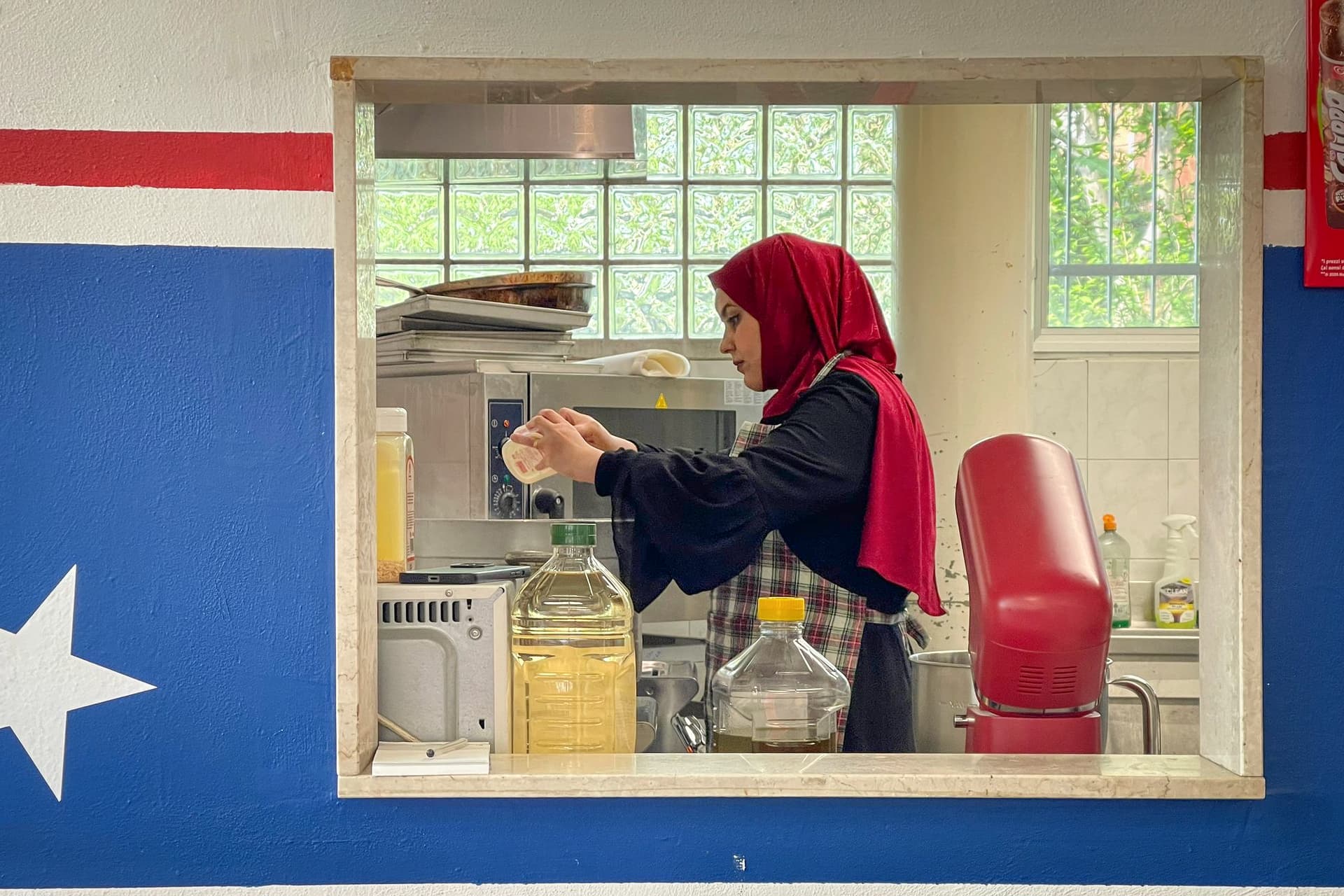
(photo: Fatima Samir) Curating social and cultural spaces that connect different arts surely comes with its own challenges. What do you pay particular attention to, and what did you find most demanding this time? The main challenge is making sure the relationship between the exhibition and the music has substance. The photographs deserve sustained attention, and Fatima Koanda and LIL JA need the freedom to develop their own musical direction. Communication is part of that responsibility. We need to explain why these projects belong in conversation without using the women’s experiences as a promotional device or asking the DJs to represent an entire community. We also want to be honest about what one evening can achieve. It can introduce people to ongoing work and create new connections. What happens afterwards depends on whether those relationships are sustained. What do you hope people take away from this edition? A set they remember, a photograph they return to, perhaps a question that remains open. Some people will come because they are curious about Refuge; others because they know PAC or Le Cannibale. We hope they also give their attention to something they did not expect to find. Enjoying the evening matters, as does taking time to engage with the individual perspectives in the exhibition. If people leave wanting to follow the artists, return to the museum, or learn more about RI-SCATTI, the collaboration will have a life beyond those few hours.
Find tickets and more info here.
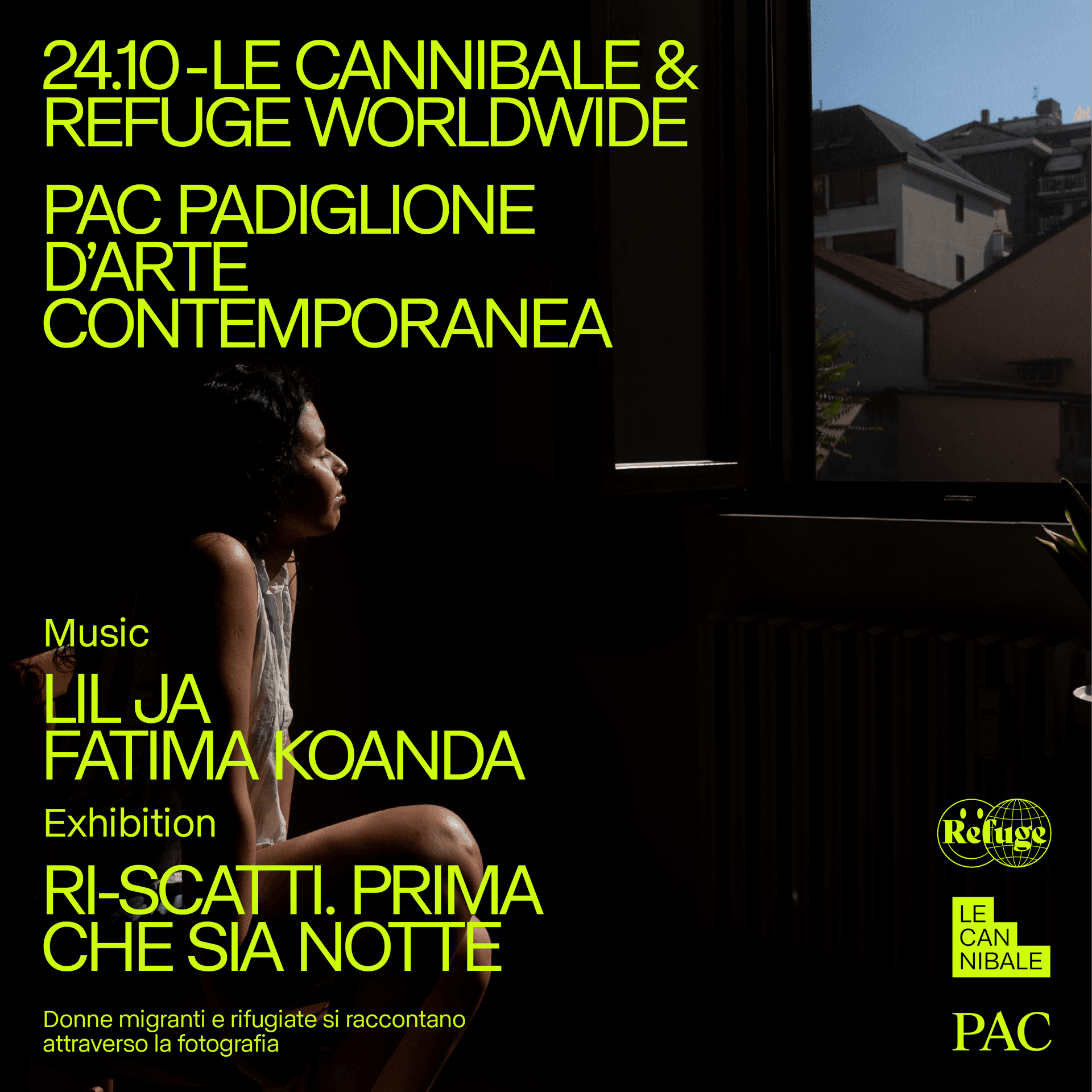
Header photo by Maya K.