


Workshop
Podcasting Academy
Unity In The Community hosts a mentoring programme with Shure Inc.
Loading
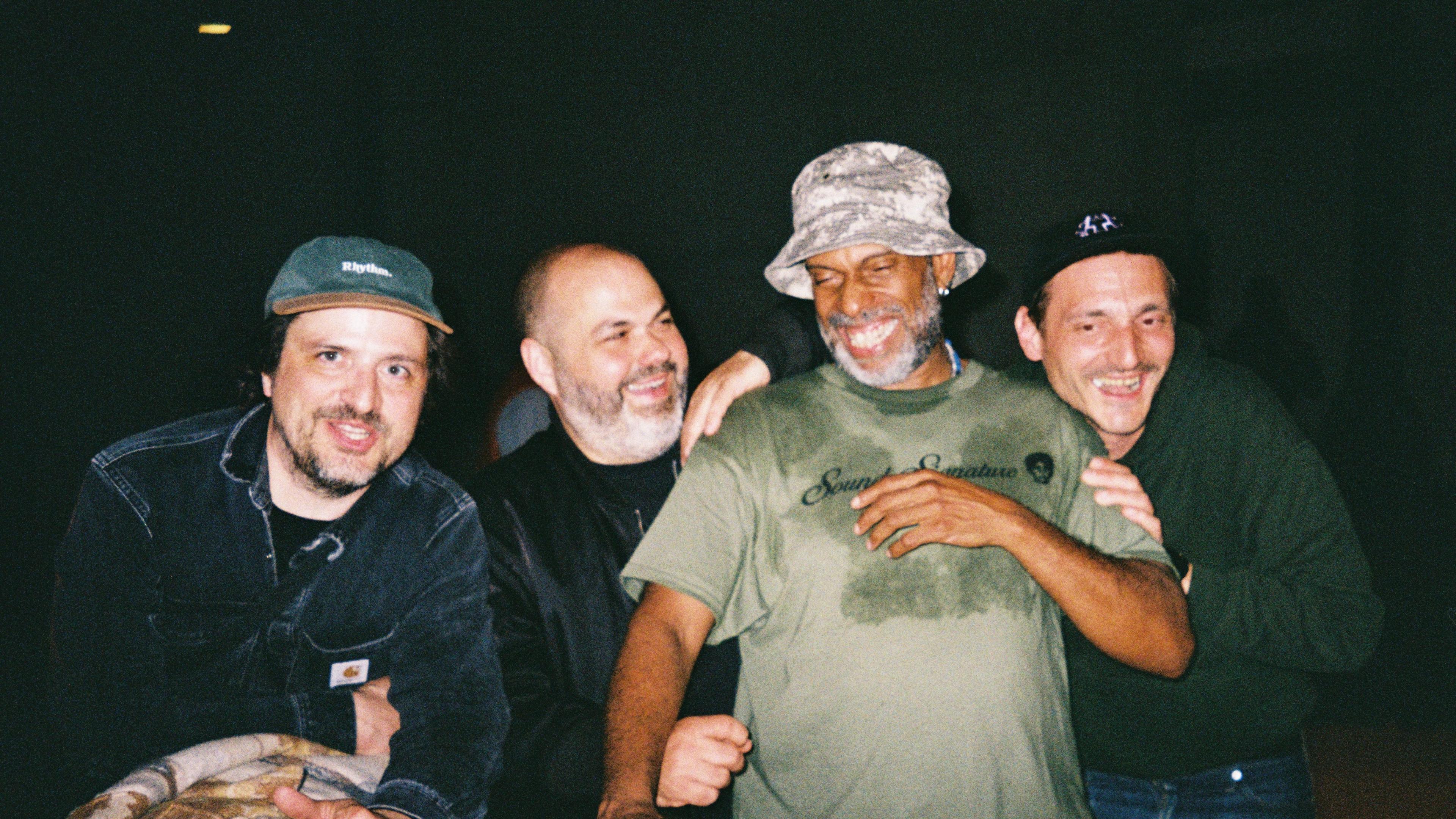
It's a Family Reunion!
By Ula Lucas
Founded in Paris in 2005 before finding a long-term home in Berlin, JAW Family has spent the past two decades building a community around music, hospitality, and cultural exchange. Their distinct approach to curation brings live music and club culture into conversation, through hosting club nights, live performances, listening sessions, and interdisciplinary cultural programming.
In two weeks, JAW Family celebrates its twentieth anniversary with the return of Family Reunion, a three-day gathering in Berlin on June 26th, 27th, and 28th bringing together artists, friends, and extended family from across borders and generations. Marking the collective's biggest milestone to date, the weekend will feature a carefully curated programme of live performances, DJ sets, listening experiences, and archival works that reflect both J.A.W's history and its continuing evolution.
Ahead of the celebrations, we sat down with J.A.W’s Founder Thomas Vermynck and long-term collaborator Maxime Libiszewski to reflect on twenty years of JAW Family, the origins of Family Reunion, and the values that continue to guide what they do.
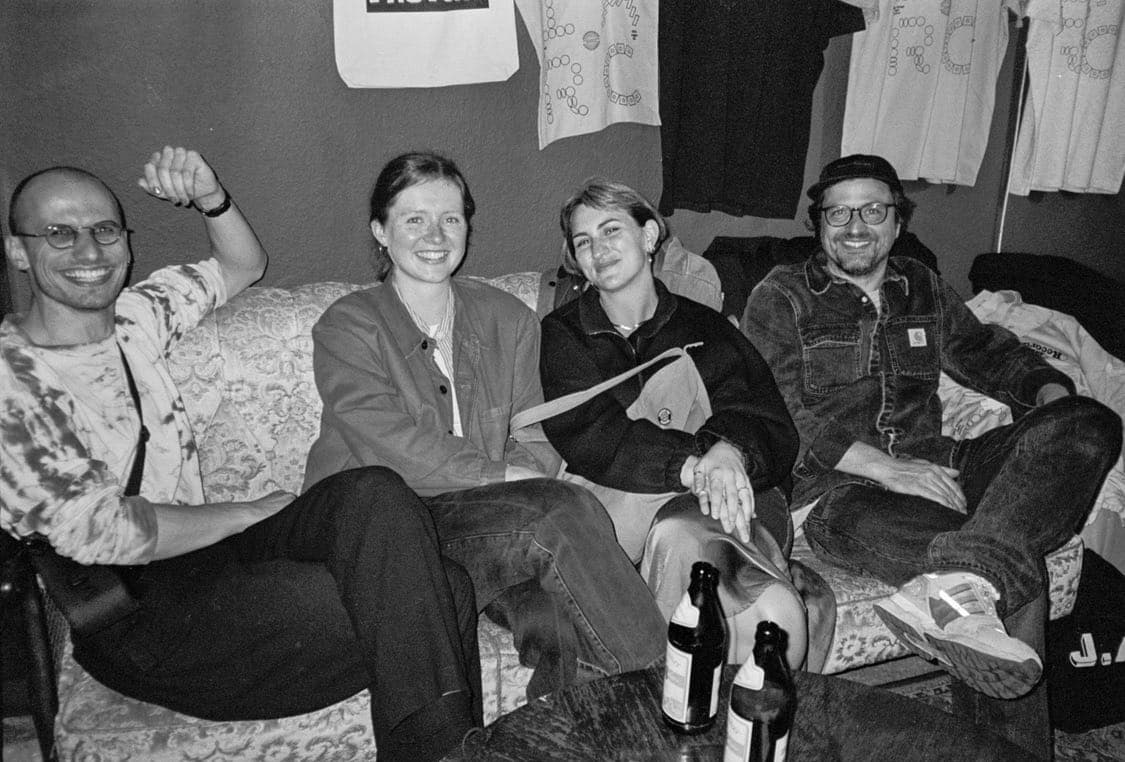
I know you guys are in the throes of planning a huge celebration, but to step back for a second, personally, what does 20 years of J.A.W mean?
THOMAS VERMYNCK: I'm not really into birthday parties, and it's something I was not necessarily planning to do with J.A.W, but when we turned 10th, It felt like a small milestone that had to be celebrated because I never thought we would last that long back then. It's a reminder that we're still doing what we do, still standing for what we support and believe in.
I founded J.A.W with my brother Edouard and our close friend Julien back in 2005. The main idea behind it was to share our common passion for music with people, but it also served as the perfect reason to keep seeing each other and sharing special moments together. And that has been exactly the case for the past 20 years.
MAXIME LIBISZEWSKI: My first time being involved with J.A.W. was at the last Family Reunion, where I worked a door shift. Six years later — having my life personally shaped by J.A.W. through so many amazing artists, projects, concerts, and club nights — being this invested in the current Family Reunion feels like a full-circle moment.
What strikes me is how evolving everything is, and how things have at the same time stayed the same. There is a core of people, artists, and family who have been there for 20 years. There is a connecting thread through everything.

Still, there's this evolution from Paris to Berlin, from mostly clubs and DJs to live music, but everything happened in a very organic way. Every step felt natural, and I think that's why it works for 20 years.
Working together with the rest of the crew every day, you feel that passion and honesty in what everyone is doing. I think that's what people see and feel, the underlying passion and truth behind what we're trying to do.
It sounds like, even before the name existed, this was already a family affair. But how exactly did JAW become JAW Family?
Thomas: We started as J.A.W, and in July 2005, we wanted to throw our first event in Paris. We had a club, a lineup, everything was set, and then, the venue cancelled three or four weeks before the event because they didn't really trust us. We were young, didn't have much experience, and maybe they thought we wouldn't sell enough tickets.
So we had to find a Plan B.
We went searching for a space and found a boat on the river in Paris. It was completely empty, so we had to bring in the sound system, organize the bar, the cloakroom, the door, everything. We needed our family because none of us had a driver's license. We needed our parents to move the sound system across the city. We needed our brothers and sisters to work the bar and the cloakroom.
Back then, our mother took care of the hospitality. We always hosted artists at home first, and our mother, who didn't speak English, would get the chance to meet the people we admired and worked with. She would cook for them, and before every party we'd sit together in our kitchen eating typical french food. Watching her trying to communicate with artists like Larry Heard, Theo Parrish, or Moodymann created these beautifully strange moments. Sometimes awkward, but always lovely.
As we kept throwing events, more and more people started talking about the "JAW Family." Artists would ask, "How's the JAW Family doing?" Friends would ask, "What's next with the JAW Family?" The name just stuck.
Most of our crew, closest friends, families, and partners can relate to that family idea because they've all been part of it at one point or another.

Hospitality and connection seem so central to everything you're describing, and make me think about your first door shift, Maxime, and what drew you into all of this.
Maxime: I already knew a bit about JAW Family before working with them, but then I came to Family Reunion and saw that energy everywhere. On the dance floor and throughout the space, I could really feel it. The personal and musical aspects clicked at the same time, and that felt important.
The door shift itself was funny. At the time we did a weekender at Griessmühle running from Friday to Sunday, and I worked the Sunday morning shift at the door. What struck me was seeing all these different people involved in the event. They came from different places and backgrounds, but they all felt connected. It didn't feel like a team that existed only for that event or for professional reasons. It felt like family from the beginning.

Thomas: I have three children with Nina who's also part of the JAW Family since day 1 (as our Art Director), and when our son was only a few months old, I remember working the door at the former Festsaal Kreuzberg for one our J.A.W events. We didn't have a babysitter, so he came with us. The Robert Glasper Experiment was playing, and the venue was booming, but he slept through everything. I still have pictures of artists like Sam Floating Points carrying him in his arms when he was only a few months old. Now he's fifteen years old and giving wristbands to people at J.A.W.
I've always wanted to integrate my family into what we do so they could understand it and hopefully be inspired by it, not necessarily to do the same thing, but to find their own path. Being able to celebrate with the people we work with, our friends, our family, and now our children, is what makes it special.
The reunion is a huge undertaking, suddenly all these people are brought together under one program. Why program over three days instead of one big event?
Thomas: We put events together all year in Berlin, whether they're parties or live shows, but because Family Reunion only happens every five years, we want it to be something special. We want it to be worth it for friends and family traveling from abroad and spending more time with us than just one night.
To throw a big celebration with the people we love, the ones who helped shape J.A.W over the years, but also for new people we wanted to work with and maybe never had the chance to. That's why the Reunion exists. It's the perfect playground to bring all those people together.
We all know how festivals work. The first day is full of excitement. You've been waiting for it, you're discovering the space, and you're not fully settled in yet. The second day, you're beginning to feel tired, but you're familiar with the place and settling into the experience. Then comes Sunday. You're exhausted, but you're still there. And when the Sunday program really connects, it can hit differently from anything else.
I'm not trying to convince people to attend all three days, but experiencing the event over that length of time changes how you process everything.

Maxime: For me, it's also about having more possibilities when it comes to curation. The word gets overused, but in the end, it's really about telling a story and accompanying people through a journey. It also allows us to bring people together in ways that wouldn't be possible during a single event. And about creating connections between club culture and live culture, which shouldn't be disconnected, but often are for practical reasons.
To give an example, we can have a beautiful opening DJ set by Palms Trax, playing AOR and folk-influenced music, which then flows naturally into a live performance by Cleo Reed, with a sound rooted in the black American work-song canon of blues, soul, folk, and country. Later in the weekend, we move from a live gospel-inspired performance by Arp Frique and Perpetual Singers into Floating Points and Red Greg playing back to back DJ sets. Those kinds of transitions are only possible because we have the space and time to create them.
We'll have two active music spaces: the Box and the Shelter. One will be more focused on dancing and club energy. The other will function more as a listening space, a place for reflection, slower energy, and different moods throughout the weekend. Sometimes it may become a dance floor as well, but with a different, maybe more intimate atmosphere. We'll also have outdoor and indoor spaces interacting with one another.
And then there will be the Archive, which becomes another layer entirely. It reflects on twenty years of J.A.W and adds historical context to everything happening around it.

I'd love to hear a little more about the archive room. Why was it important to create that space?
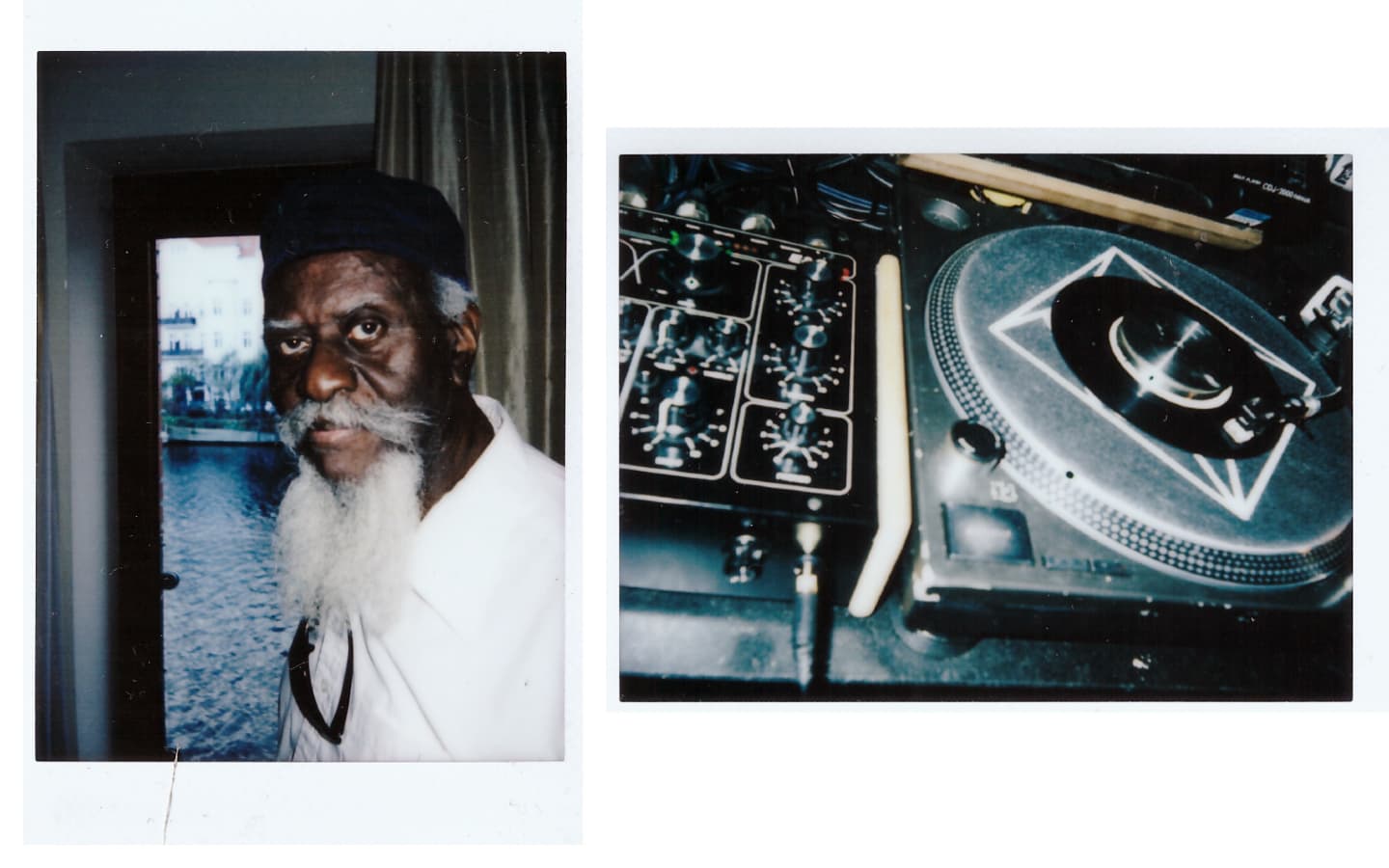
Thomas: The archive comes from a simple desire to share. For twenty years, we've collected photographs, recordings, videos, posters, and memories. Now and then, we've shared pieces online, but this felt like the right moment to present them properly. The archive gives us a chance to tell the story of J.A.W. People who are new to us can discover that history, while people who've been with us for years can revisit memories. We'll present photographs, Polaroids, video installations, recordings from past events, and listening experiences connected to the journey.
Some of the artists featured in those archives are no longer with us. Some of the venues no longer exist. That makes preserving those memories even more important. The archive isn't really about nostalgia, it's about keeping those moments alive and sharing them with people.
You're hosting the weekender at a well-loved secret location (near Jannowitzbrücke)! What role does the venue as a whole play in the experience?
Maxime: It's a DIY, independent venue deeply rooted in underground culture, and that connection feels important because JAW has always been connected to those values. Most of the music we love and represent emerged from spaces like this, both historically and socially.
We're thankful to be in close exchange with them about how the event should feel and how people should be welcomed. The space also gives us the freedom to realize all the details we've imagined: the different rooms, the outdoor areas, the sound systems, the exhibition, the visual design, and the atmosphere.
For us, a great lineup isn't enough. Every detail contributes to how people feel inside a space. The venue gives us the opportunity to create something that feels truly connected to who we are and what JAW Family represents.
Thomas: In Berlin, venues are constantly disappearing. We've been active in the city for around fifteen years now, and I think eighty or ninety percent of the venues we've worked with no longer exist. For us, celebrating in a space like this is a way of showing how much we value these places.

That goes from the decoration and layout to the food, hospitality, sound, and music. The sound system is an important part of that. The venue already has a beautiful custom-built sound system for live music, and we'll use it for all the live performances. For the DJ part, though, we wanted to bring in something additional and special, which is why we're working with Palladium Audio.
Palladium is also a family story. It's led by William Ménard, who took over the company from his father. He's a close friend of the JAW Family, and he's incredibly passionate about sound and good in what he does.
For Family Reunion, we'll have two different sound systems across two rooms. William has been developing parts of it with this event in mind. He came to Berlin to study the acoustics of the space and design the setup accordingly. During the weekend, he'll be there tuning it, adjusting it, and making sure everything sounds right throughout the three days.
Whether it's venues, audiences, music, the move from France to Germany, or Berlin itself, J.A.W has experienced many moments. I'd love to hear your reflections on how the landscape has changed around you.
Maxime: It's a huge subject. Obviously, things have become more challenging. It's no secret that venues are disappearing and that it has become harder to create independent cultural projects. But if we focus on the positive side, I think the variety within Berlin's cultural scene has expanded.
Fifteen years ago, Berlin felt much more centered around electronic music, particularly house and techno. There was a lot that was open and welcoming about the city, but there were also limitations.
Today, I feel there's more openness to different genres, different cultural influences, different artistic disciplines, and different communities. There is greater awareness socially, politically, and musically.
A space like this represents many of the things I loved about Berlin fifteen years ago, but it also reflects what has developed since then.

Thomas: I try not to be nostalgic. One thing Berlin has taught us is how important it is to embrace change. As independent promoters, we've always wanted freedom. Every Family Reunion has happened somewhere different, and each one has developed its own identity. We wanted to find the right space for the right music.
One of the biggest fears for a promoter or an artist is repeating yourself. Moving between spaces forces you to keep evolving. It also reminds you to appreciate the moment because you know it won't last forever. That's something I actually like. Of course, the broader reality is difficult. Opening and maintaining venues has become increasingly expensive, and that affects culture. But on our side, I try to focus on creating unique experiences and memories. That's one of the reasons we've always remained nomadic.
As a jazz fan from the US, something that struck me about the lineup is that many of the names were more familiar to me than they might be to a typical music lover in Berlin!
Thomas: The music that inspires us comes mainly from African American heritage, and that’s probably one of the reasons why we've always tried to bring live music and DJ culture together under one roof. People can tend to separate them. They go to one place for a concert and another place for a club night. We've always believed it´s best when they come together.
We love it when people come to dance, but we love it even more when they arrive earlier and experience the live program first. Everything is arranged intentionally. We genuinely believe that experiencing the live music changes how you experience the party afterwards. That's why we curate the weekend the way we do. We hope people trust us enough to discover artists they may never have heard live before.
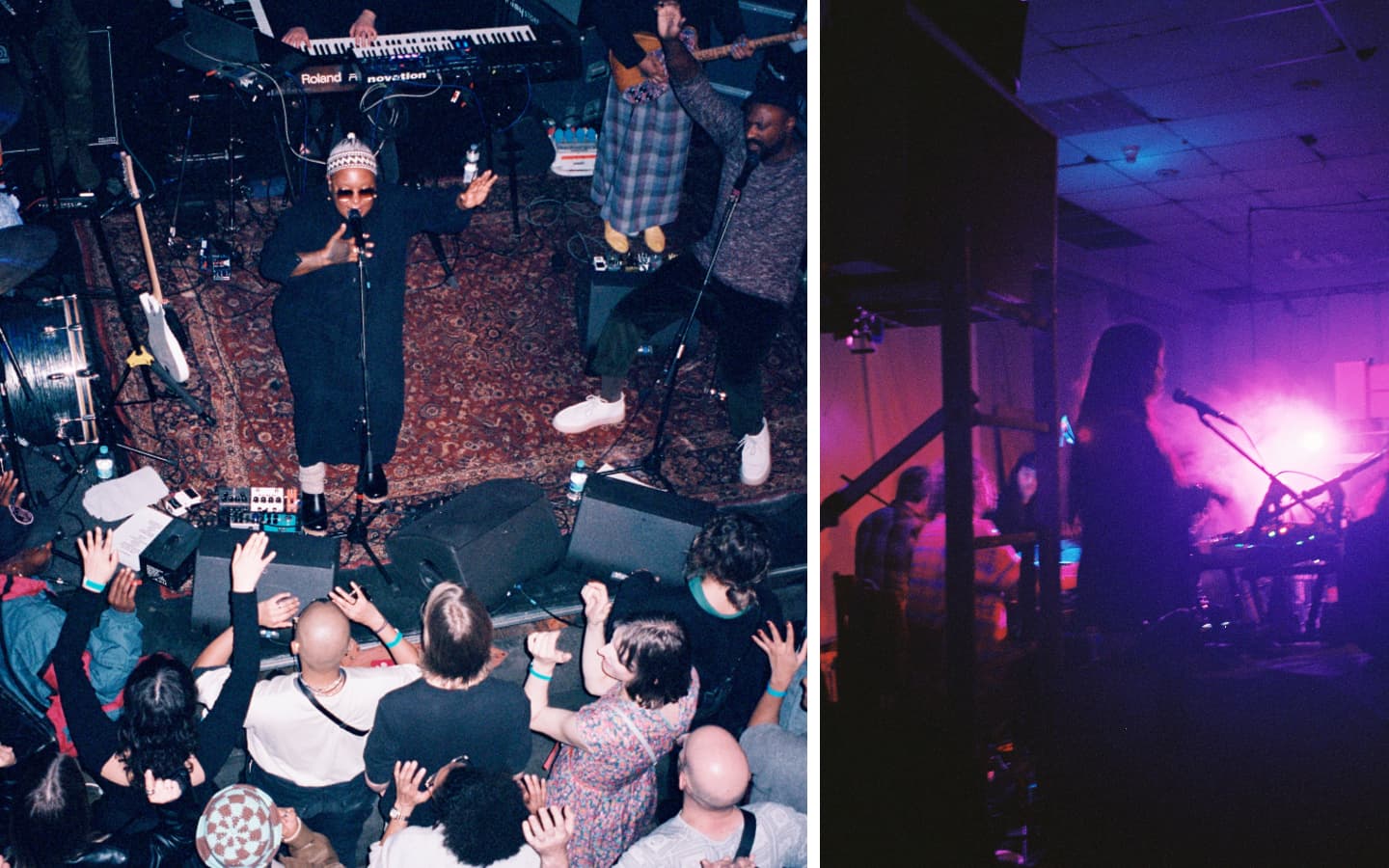
Maxime: It's about gentle nudges. It's never about forcing people. It's about saying, "If you like this, maybe you'll like that too." I came from the DJ world, and a record store clerk once handed me a spiritual jazz compilation because I was buying Theo Parrish records. That recommendation completely changed my perspective at the time.
Sometimes all it takes is one small connection. Someone comes to see a DJ they love, arrives an hour early, hears something unexpected, and discovers a completely new world. The reverse can happen too. When someone comes for the live music and stays for the DJs. Those exchanges are important; they're how new horizons open up.
Thomas: Live music is the foundation of all of this. We're not trying to make anyone feel guilty for missing the live program, but we like to remember where these traditions come from. Live musicians paved the way for record, club, and DJ culture to exist. The artists people dance to today are constantly paying tribute to those traditions through their productions and their influences. We love celebrating that connection.
Having a live gospel ensemble perform before a DJ set inspired by soul & gospel music creates a different experience. That's what makes the night different. It's our way of paying tribute to live music, to musicians, and to the roots of the culture.
Before we finish, I'd love to hear some memories connected to artists on this year's lineup.
Thomas: There are too many.
Recently, my brother and I were rewatching footage from the Detroit Electronic Music Festival from 2000. We used to watch those videos endlessly. There was a Theo Parrish set, a Moodymann set, and performances from artists connected to Berlin like Tikiman, Scion or Mark Ernestus. At the time, we didn't know those people personally. We were simply fascinated by the music they played. Now, twenty years later, we're celebrating alongside many of them. That feels very full circle.
We've been working with Theo Parrish for nearly twenty years now. One of the highlights was co-curating special projects with him for Family Reunion 15th around the Black Jazz Records catalogue with Doug & Jean Carn or with NY legend Leroy Burgess. Spending several days together with artists whose records had profoundly shaped our musical taste was unforgettable.
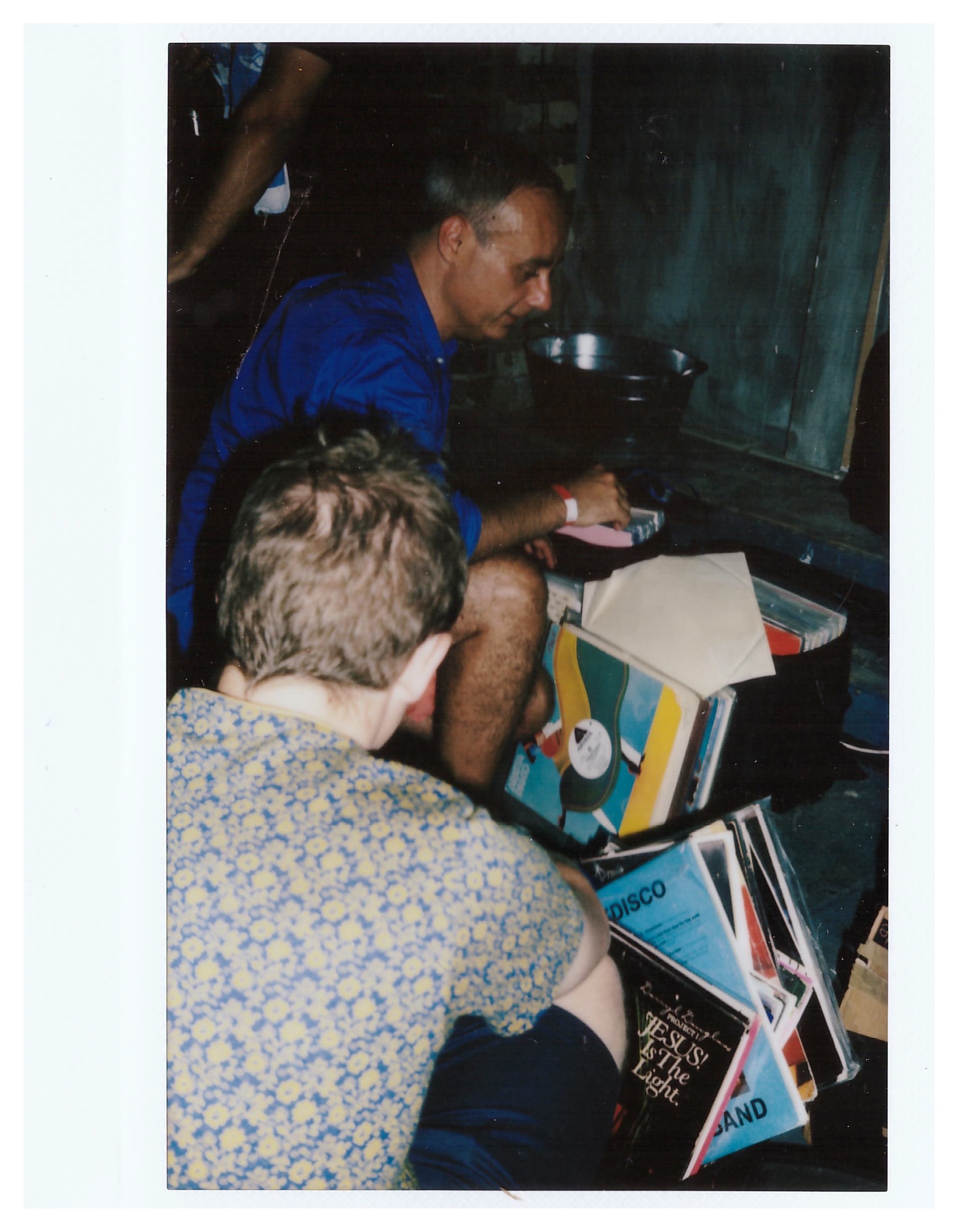
We also have some beautiful memories from nights in Paris, London, and Berlin with Floating Points and Red Greg. Experiencing the two of them playing records together is always a pure blessing. We’re so glad to have them all along at our forthcoming Family Reunion.
Maxime: What excites me is how naturally the Berlin artists connect with the international artists. The lineup includes people who have played a huge role in shaping the Berlin scene over the last decade.
Many of them have created some of the most inspiring musical experiences I've had, whether in clubs, at concerts, or somewhere in between. Bringing all of those people together with artists from New York, Detroit, Chicago, and elsewhere creates a really strong foundation for the weekend. It feels like a celebration not only of J.A.W but also of the broader communities that have shaped the music we love.
Thomas: I agree. I've never felt more inspired by the Berlin scene than I do now.
The city is full of incredible musicians, DJs, and artists. Putting together a lineup that genuinely represents Berlin alongside the international artists we love felt very important. That balance reflects what J.A.W is.
Tickets for the JAW Family Reunion are available here.
Photos © JAW Family
Unity In The Community hosts a mentoring programme with Shure Inc.
Unity In The Community is born.
Refuge Worldwide partners with KW Institute for Contemporary Art on three listening sessions.