Soft Power Festival | Julius Pristauz & Nasanin Dahaghin
- Live Set
- Ambient
Loading
Kyiv Biennial × Refuge Worldwide: Listening Sessions
This summer, Refuge Worldwide and the Kyiv Biennial come together for a series of Listening Sessions recorded live at KW Institute for Contemporary Art as part of A Bird That Cannot Land, the 6th chapter of the Kyiv Biennial, taking place in Berlin till 13 September 2026.
Conceived as an extension of the Biennial's Live Program, the Listening Sessions explore different geopolitical perspectives on sound through artist-led presentations, conversations, and collective listening. Bringing together musicians and researchers from different contexts, each session focuses on a distinct sonic practice as a starting point for exploring the social, cultural, and political worlds from which it emerges.
This recording captures the second Listening Session, which took place on 23 July 2026. On 25 June 2026, Stas Shärifulla and Ziliä Qansurá shared traditional songs and stories from Bashqort culture, and the series continues live at KW on 3 September, when Fehras Publishing Practices will introduce the 60s musical production of Arab music icon Fayrouz. If you're in Berlin, you can join the live sessions at KW before they are released here on Refuge Worldwide.
Fehras Publishing Practices — Fayrouz: On Musical Production in 60s Lebanon
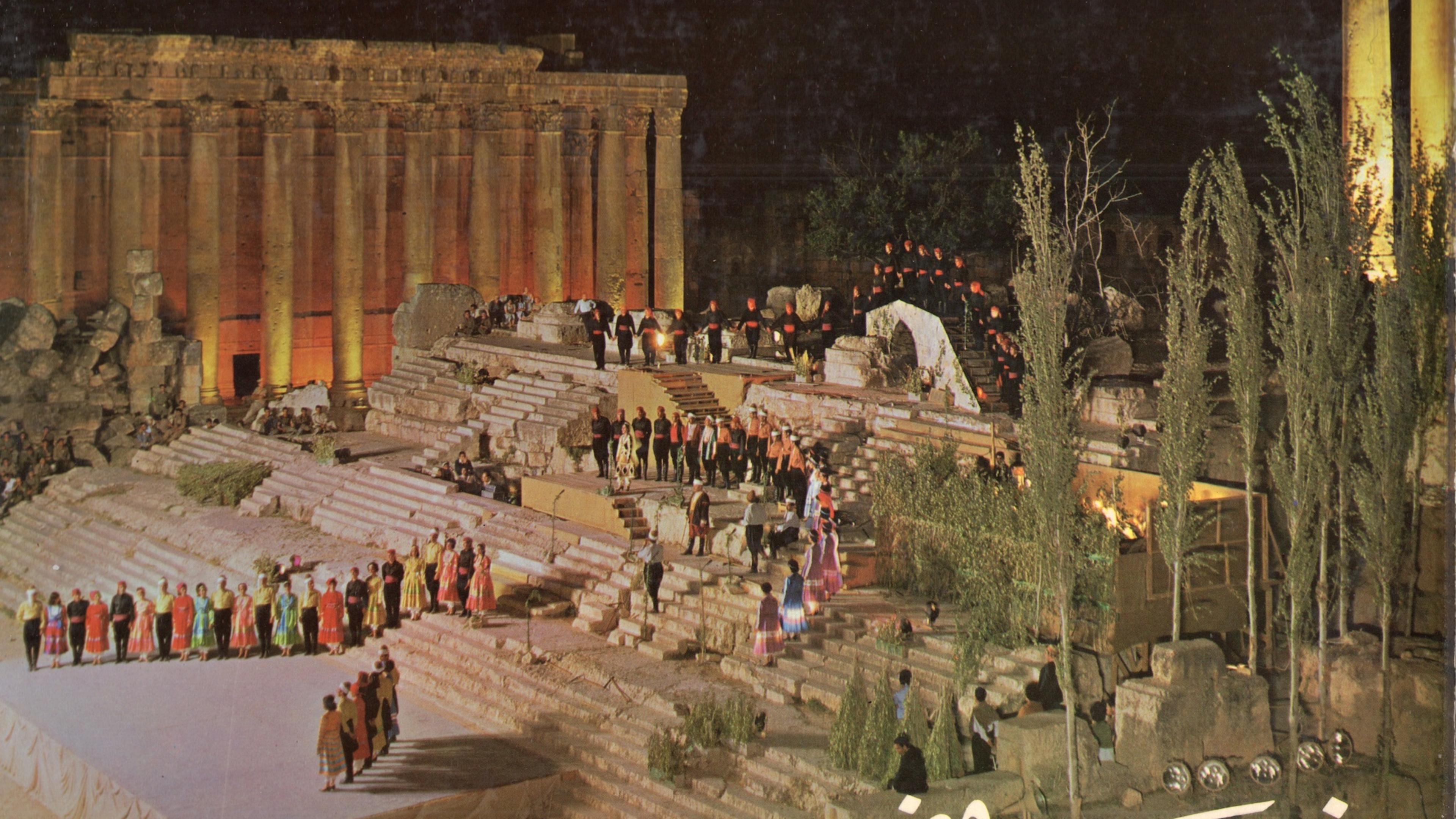
Recorded live on 3 September 2026, Fehras Publishing Practices—Aziza Ahmad, Sama Ahmadi, and Sami Rustom—in collaboration with musician Makan Ashgvari, present a listening session devoted to Fayrouz and the cultural and political worlds surrounding her music in 1960s Lebanon.
Moving through songs from Fayrouz's 1960s repertoire alongside stories and archival materials collected by Fehras, the session traces connections between musical production, popular culture, and the wider political and cultural transformations of the period. The recordings and stories draw on material gathered from booksellers, street libraries, private collections, and fan networks, opening up different ways of approaching the histories carried by Fayrouz's music.
Taking its cue from the collective spirit of Fayrouz's musical plays, the session gradually moves between listening, conversation, and shared singing. What emerges is less a conventional presentation than an intimate encounter with an archive—one in which songs become a way of bringing personal and collective memories into the room, and, through this recording, to listeners beyond it.