Blog
CARISTA's Dutch Black Music Favourites
From 1974 to the present day.
Loading

This week: Feministischer Kampftag, fundraisers, curious sonic innovations
By Alice Yang
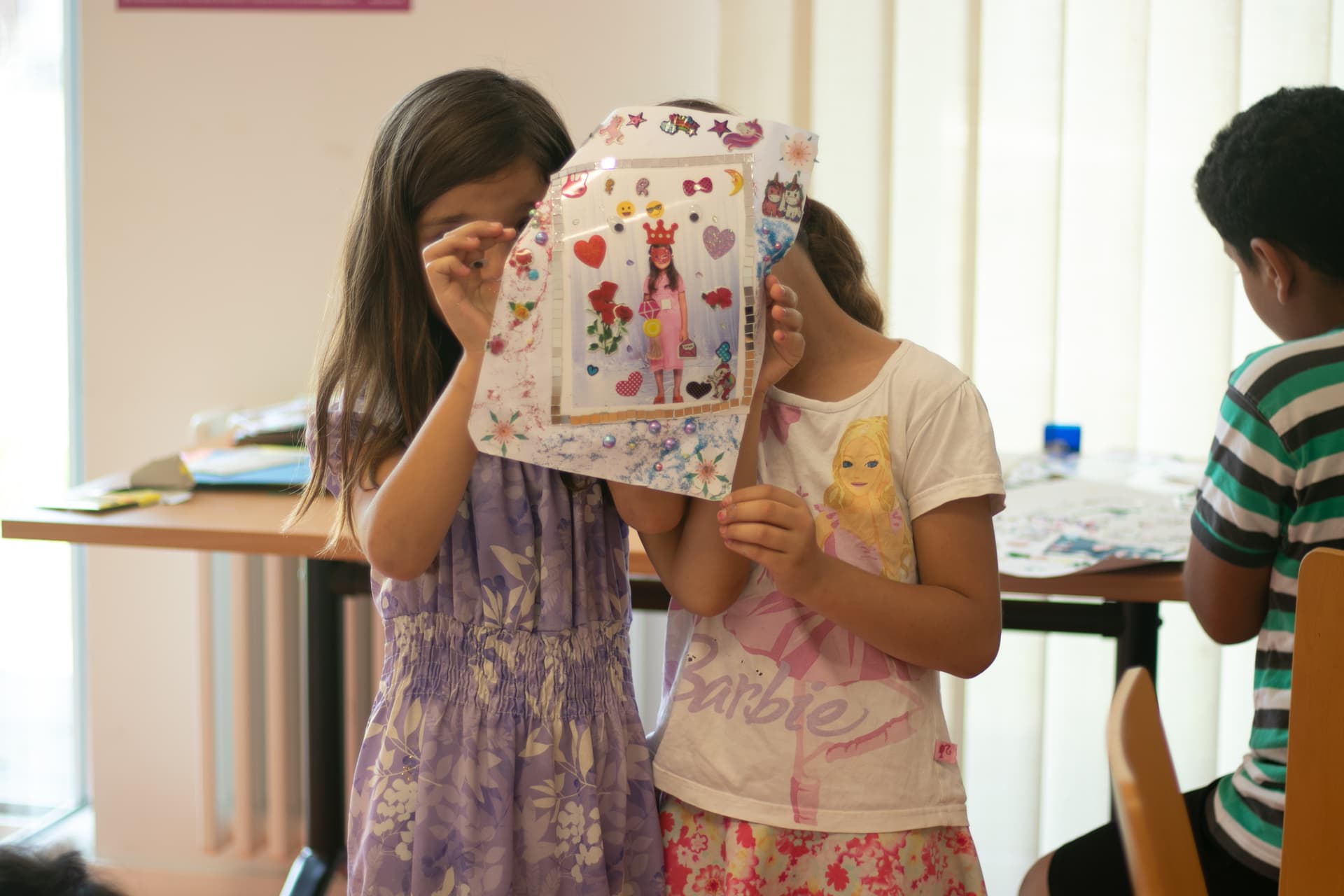
Poet Ana Mvangi will celebrate the launch of her first book, a collection of poetry, with a special program at Savvy Contemporary on 7 March. After years of performing spoken word storytelling, Mvangi gathers her works, a collection “written by [her] ancestors” to publish and share with the public. Poetry is a vulnerable medium, and 7 March marks a moment of celebration for Mvangi alongside Feministischer Kampftag. The event features a lineup of talented black women poets including Maame Marion and Liliana Filipa, vocalist Maëlle Fiancl, and a DJ set by Nzambisa. Additionally, visual art prints will be displayed by artist Sarah Domitille Johle, and Angolan cuisine served courtesy of Sabores a Mwangole. Doors will be open from 17:00, located at Reinickendorfer Straße 17. More info here.
Raumsonde is a new free web platform designed to help grassroots organisers navigate the complex permit process for events in Berlin’s public spaces. In recent years, Berlin has experienced a surge of urbanisation, changing the accessibility landscape for experimental and community-oriented cultural spaces. Further navigating the bureaucratic process of permits, especially since changes implemented during COVID, leaves organisers without institutional backing with an oftentimes unclear and confusing path. Launching at the start of the open-air season, Raumsonde supports non-commercial, grassroots, and community initiatives that often face barriers when organising outdoor events.
Raumsonde brings the entire application process into one place, where users can search for suitable locations through an interactive map, understand district-specific requirements, create site plans, and complete permit applications step-by-step in English or German. The platform makes Berlin’s public spaces more accessible for community organisations, simplifying the process and contributing to the development of sustainable structures for non-commercial cultural spaces in Berlin. For interested organisers and initiatives, learn more here.
8 March marks the annual International Day of Feminist Resistance with city wide demonstrations and events held across Berlin. This year, the main demonstration, “Rise in Rage, Build in Struggle,” is headed by the Alliance of International Feminists. Starting at 15:00 from Kottbusser Tor, the march represents the ongoing global fight against patriarchy and oppression, rejecting liberal white feminism in favour of the intersectional, resistant feminist framework, challenging all forms of injustice, imperial power, and systemic violence. This day stands in solidarity with those facing oppression worldwide, including in Palestine, Mapuche Land, Iran, Rovoja, Niger, Mali, and Beirut.
Longstanding restrictions on pro-Palestine and solidarity demonstrations, alongside the criminalisation and repression of activism, make these acts all the more criticalfor both Berlin and the global cultural landscape. Please refer to this digital toolkit for best practices on navigating police violence. Bring your banners and comrades, and join the revolutionary 8 March demonstration. More info here.
Cafe Hermann Schulz, a community-oriented cafe bar in Friedrischain, is launching a monthly open stage, hosted by Jessica Grace. Running every second Monday of the month from 19:30, the cafe turns into a communal living room, opening its stage to poetry, music, and spoken word of all languages. The next session will take place on 9 March.
Hermann Schulz is located at Finowstraße 33. More info here.
Poetry Meets is a Berlin-based, multi-lingual event series showcasing poets, musicians, and short films. On Saturday 7 March, Poetry Meets presents FLINTA Forward, a FLINTA-only gathering of workshops, panel talks, and live performances, free of charge. The evening kicks off with a panel talk hosted by Nicky Böhm that centres on community building and agency, featuring conversations with Asia-James, Aurélia Majean and Mandhla Ndubiwa. Following, Poetry Meets presents an intimate performance featuring Dreampoet, Audioslut Garden, vocalist Monica Mussungo, and saxophonist Tara Sarter – a collaboration that invites emotion, resonance, and connection. As well, later soundscapes of the evening are curated by XJAZZ!. Find more info here or RSVP here.
Jia La, in collaboration with Oriental Techno Club, presents Silk Road at Kwia. The evening is a sonic journey, taking the listener through the historic Silk Road from Asia to the Arabic and Persian Regions, to Europe, with six traditional instruments from these regions, fusing the traditions into a modern jam session. The idea behind the curation is to bring together diverse traditional instruments and cultures, creating a unique artistic collaboration, and a reciprocating autistic experience. Instruments in this fusion include Tar (Persia), Saw U (Thailand), Xiao (China), Setar (Persia), Gayageum (Korea), and Pipa (China). Pop by Kwia on 18 March for a thoughtfully curatedsonic collaboration. More info here.
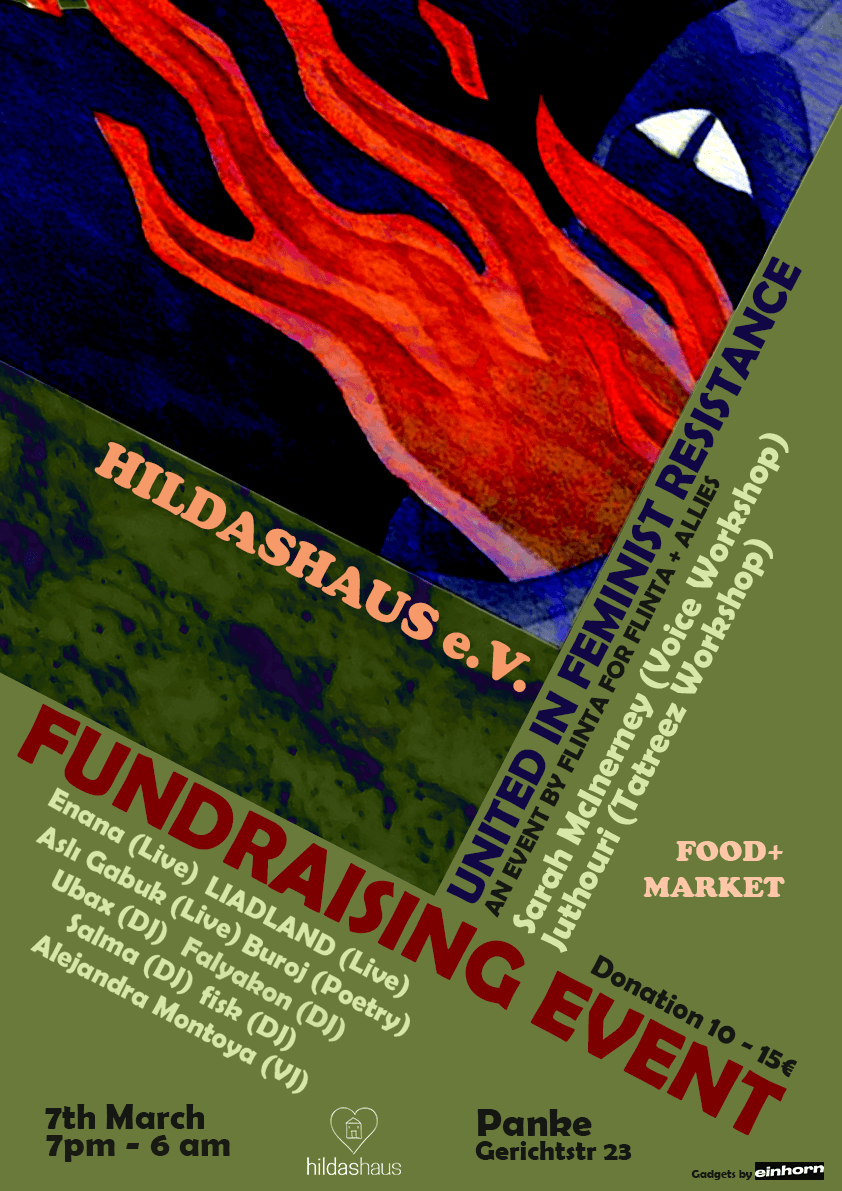
On 7 March, an evening of feminist resistance takes place at Panke Culture, organised by Hildashaus e.V. Hildahaus is a Berlin-based non-profit organisation supporting integration, belonging, and community for Arabic- and Farsi-speaking Flinta+ individuals, filling a necessary gap in community initiatives for older immigrant and diasporic women.
The fundraiser is a community gathering in response to the ongoing funding cuts that dispropotionately affect migrant-led feminist and grassroots initiatives. But more than that, it is an evening of solidarity and joy, bringing together FLINTA individuals and allies to unwind, connect, and celebrate together. From 19:00–06:00, the program features workshops, poetry, live performances, DJs, food, and a community market. Suggested donations are €10 before 22:00 and €15 after. All proceeds support Hildashaus’ work creating multilingual, culturally rooted, trauma-informed spaces for FLINTA people aged 40+ from the global majority with displacement experiences*. Hildashaus’ work fills in critical systemic gaps in Germany by providing community empowerment, and rights to cultural authorship. Also, tune in to Hildashaus’ radio show at 12:00 on 6 March, where organisers and the community discuss the true meaning of safer spaces, alongside tunes rooted in resistance, memory, and collective liberation. If you are unable to attend the event but would still like to make a contribution, please support the crowdfunding here. Grab your presale tickets here, and find more info here.
In response to the ongoing imperialist aggression in Lebanon, a fundraiser is being organised to support community kitchens in Beirut that are providing meals for people displaced by the ongoing violence. Taking place 7 March from 14:00–21:00, the event aims to raise funds for direct material support in order tosustain these kitchens under extremely difficult conditions. The programfeatures performances by Kechou, Najib, Sonic Interventions, and more., Coffee, cake, and other foods will be served. Organisers remind that this is is not simply a charity or a party, but a wholesome gathering in solidarity — an act of collective responsibility to channel resources from the “belly of the beast” to those doing essential work on the ground. The fundraiser will take place at Linienstraße 206. More info here.
If you are unable to attend the event but would still like to contribute to those directly affected by violence in Lebanon, donate via this link.
On 7 March, from 17:00-22:00, the first session of the Sonic Storytelling workshop series will take place at Spore Initiative. The series is facilitated by Ivan Txaparro, an artist, musician, researcher, and the founder/director of Resonar Lab. The day centres on creative resistance: fusing storytelling, music, and movement as tools to contest the rising authoritarian and exclusionary politics. Drawing on activist and artistic practices from South America and across the Global South, the session explores how communities have long used voice, rhythm, and performance to carry memory, share knowledge, and respond to structural violence.
Txaparro will introduce listening exercises, spoken word, sound experiments, and collaborative performance as ways for participants to build collective sonic expressions connected to wider ecosocial struggles. The workshop combines discussion with hands-on practice and willrun monthly until August 2026. Participation is free of charge and will be accessible in German, English, and Spanish. Register here.
Open Music Lab’s next book club will take place on 11 March from 18:30-20:30. This time, the discussion is on Mood Machine: The Rise of Spotify and the Costs of the Perfect Playlist. The book the ongoing inequalities of the increasingly monetised music industry, and the impacts of this onartists as well as the power that algorithm-driven streaming has on music as an art form. Author Liz Pelly draws on interviews with over 100 industry professionals, including Spotify employees. The book club will take place at Open Music Lab’s Project Space, located at Lenaustraße 3. More info here.
Time to Listen, a Berlin conference taking place in June, is looking for artists, researchers, and curators to facilitate sessions for its first edition Multispecies Creativity in Music and Sound. The conference questions how sound practices engage with more-than-human worlds in a time of ecological crisis. Drawing on indigenous traditions and experimentations of multispecies justice and more‑than‑human governance, the conference will explore the role of sound, music, and listening within these fields: how attuning to animals, plants, and their ecosystems deconstruct the notion of anthropocentric (human focused) listening, and reconstruct an ecologically connected world through soundscapes?
Diverse formats are welcome, including conversations, workshops, listening sessions, sound walks, and project presentations. The conference will take place from 26–27 June at the Akademie der Künste. Deadline to submit is 15 March. More info here.
HEIST is a new worker-owned online magazine here in Berlin. Founded by writers and editors who spent years across Berlin’s media landscape, the magazine was founded on the basis that something essential was missing. Mainstream outlets, where political censorship and billionaire ownership shape coverage, fail to encompass the complete truth and the multiplicities of narratives that exist in the diversity that comprises Berlin. HEIST aims to fill that gap.
The magazine publishes daily news and weekly features on culture, food, art, people, and what’s actually happening in Berlin, uncensored. With worker ownership at its core, HEIST aims to be an alternative to mainstream media, telling the colourful array of Berlin’s diverse stories that lie at the heart of the city. Join the HEIST here.
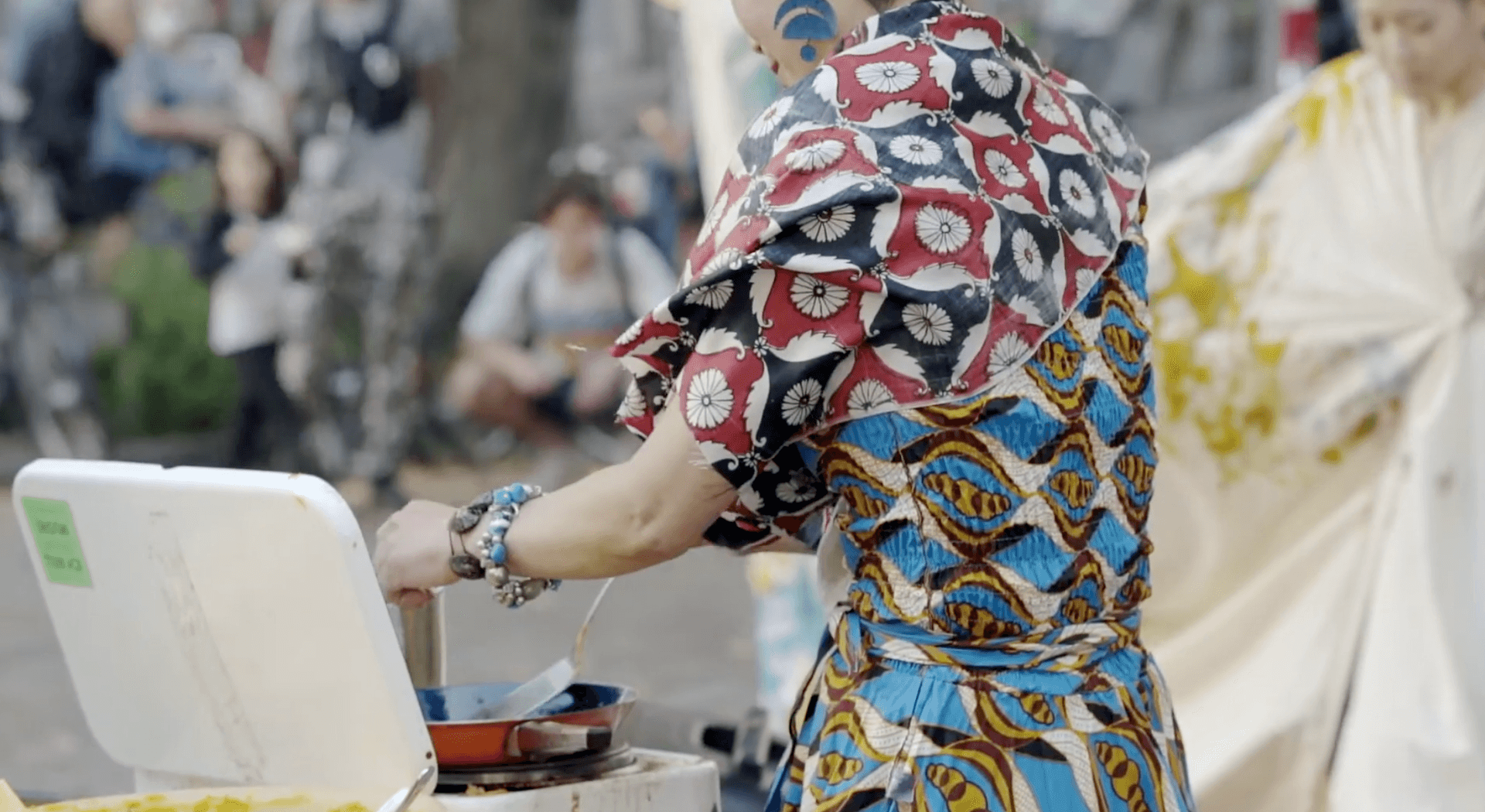
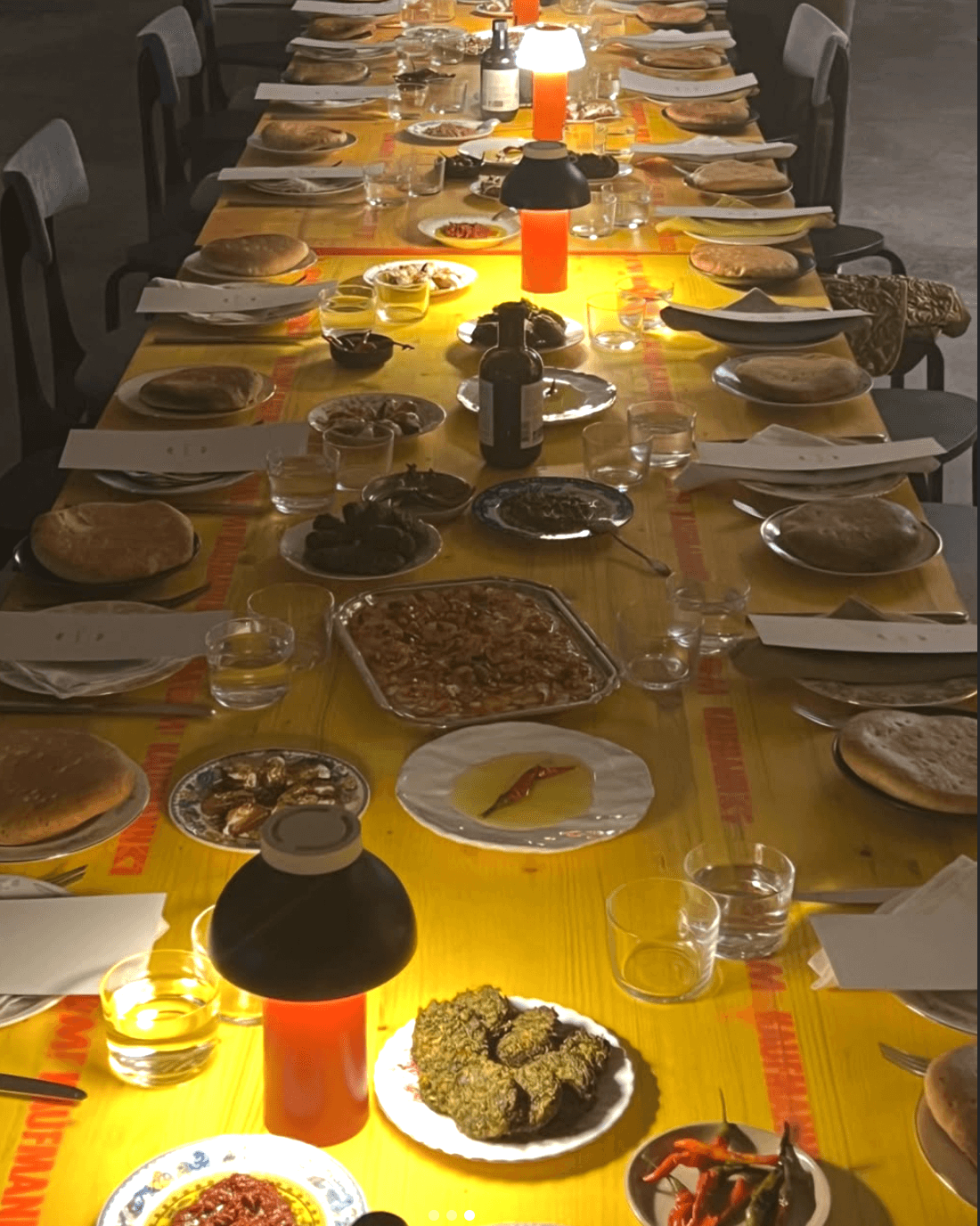
On Sunday 15 March, join Samar from Boui-Boui for a warming 3-course family-style lunch. Samar is a food designer and multidisciplinary artist who explores the intersections of sound, food, space, and human interaction. This Tunisian-inspired lunch event will take place at Ikii Berlin from 15:00, alongside curated tunes to reimagine how we gather, eat, and connect. Samar blends Tunisian classics with contemporary, cross-cultural techniques to present a playful and bold take on community through food–an invitation to reflect on the ways we share food, culture, and community. Tickets are 55€ pp, but soli tickets are available via DM. Vegetarian and vegan options cannot be accommodated for this event, which will take place at Herrfurthplatz 8. More info here.
For those needing a break from the demos on 8 March, join Allesbien? and Flur Funk at Arkaoda for a community gathering of political workshops, live music, DJs, trivia art, food, and drink. This day is about recognising, learning, and honouring the significance of March 8, centring queer voices, but is open to all friends and allies.
Arkaoda is located at Karl-Marx-Platz 16-18. Doors from 15:00-1:00. Entry is donation-based, with a suggested donation of 10–15 euros, but no one will be turned away for lack of funds. The space is mostly accessible (20 steps to access the lower floor). More info here.
Photos courtesy of Boui Boui, Raumsonde, Ana Mvangi, and Hildashaus.
Send us your stories via discord or editorial@refugeworldwide.com.
From 1974 to the present day.
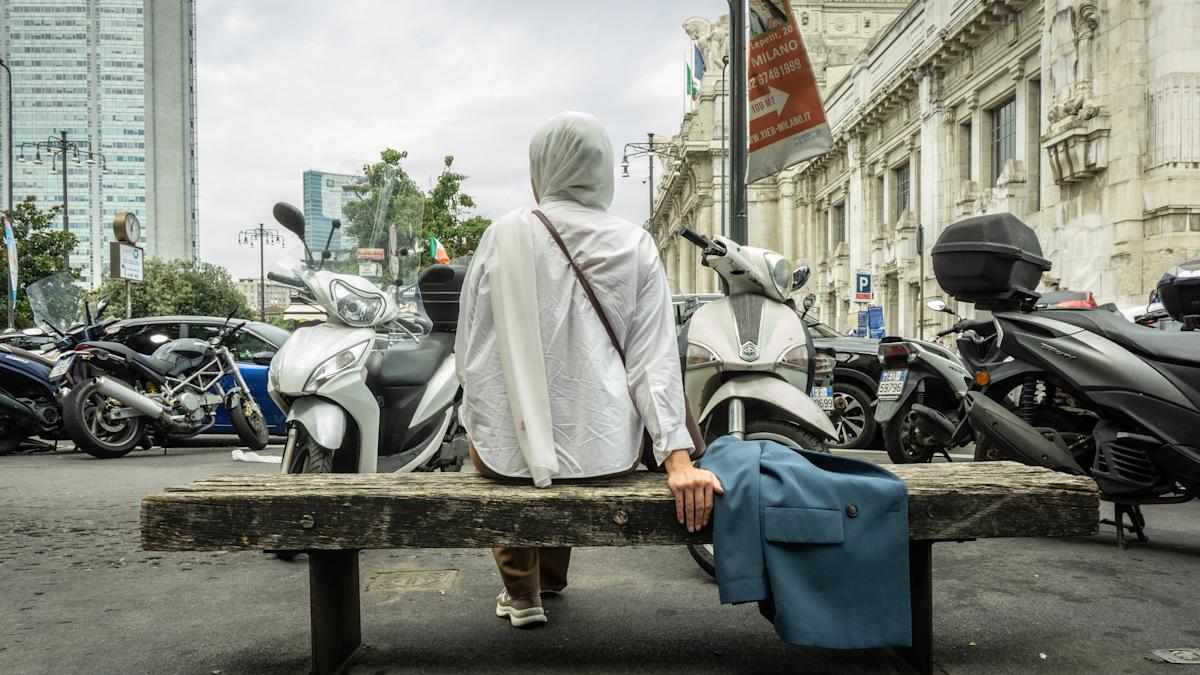
RI-SCATTI 2026: Photographic exhibition curated by migrant and refugee women meets electronic music.
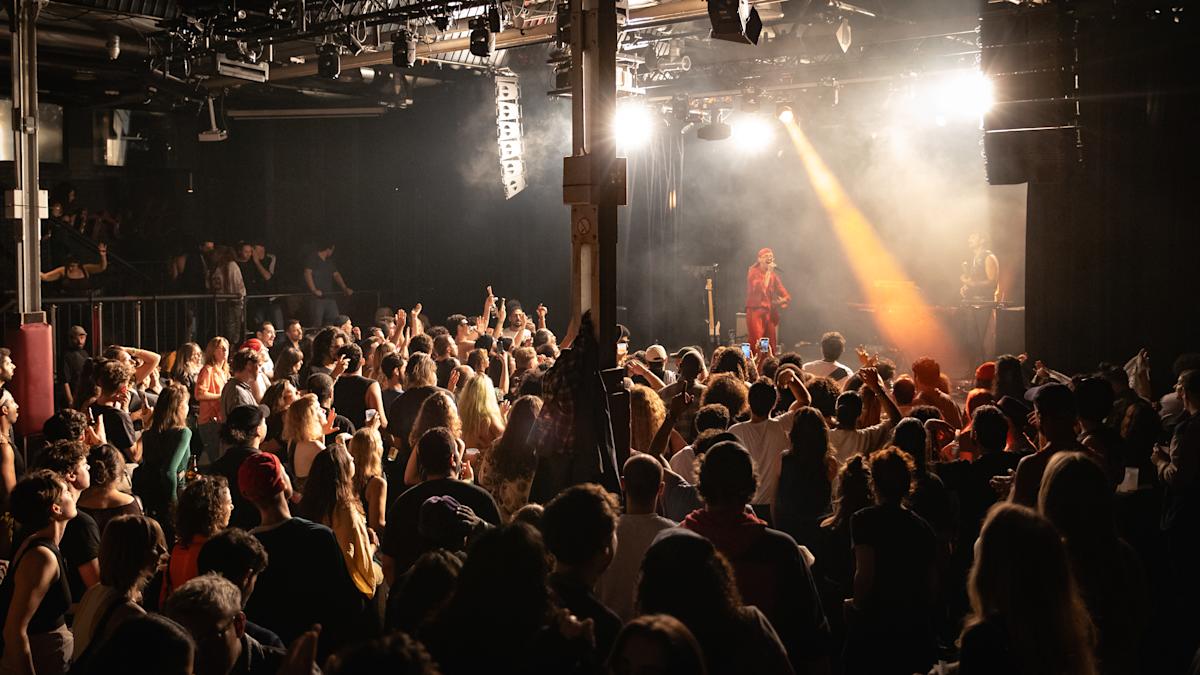
Our full programme, running October 5th-10th.